Call Us +65 6471 1233

Breast Cancer: Symptoms and Early Warning Signs

What Is Breast Cancer?

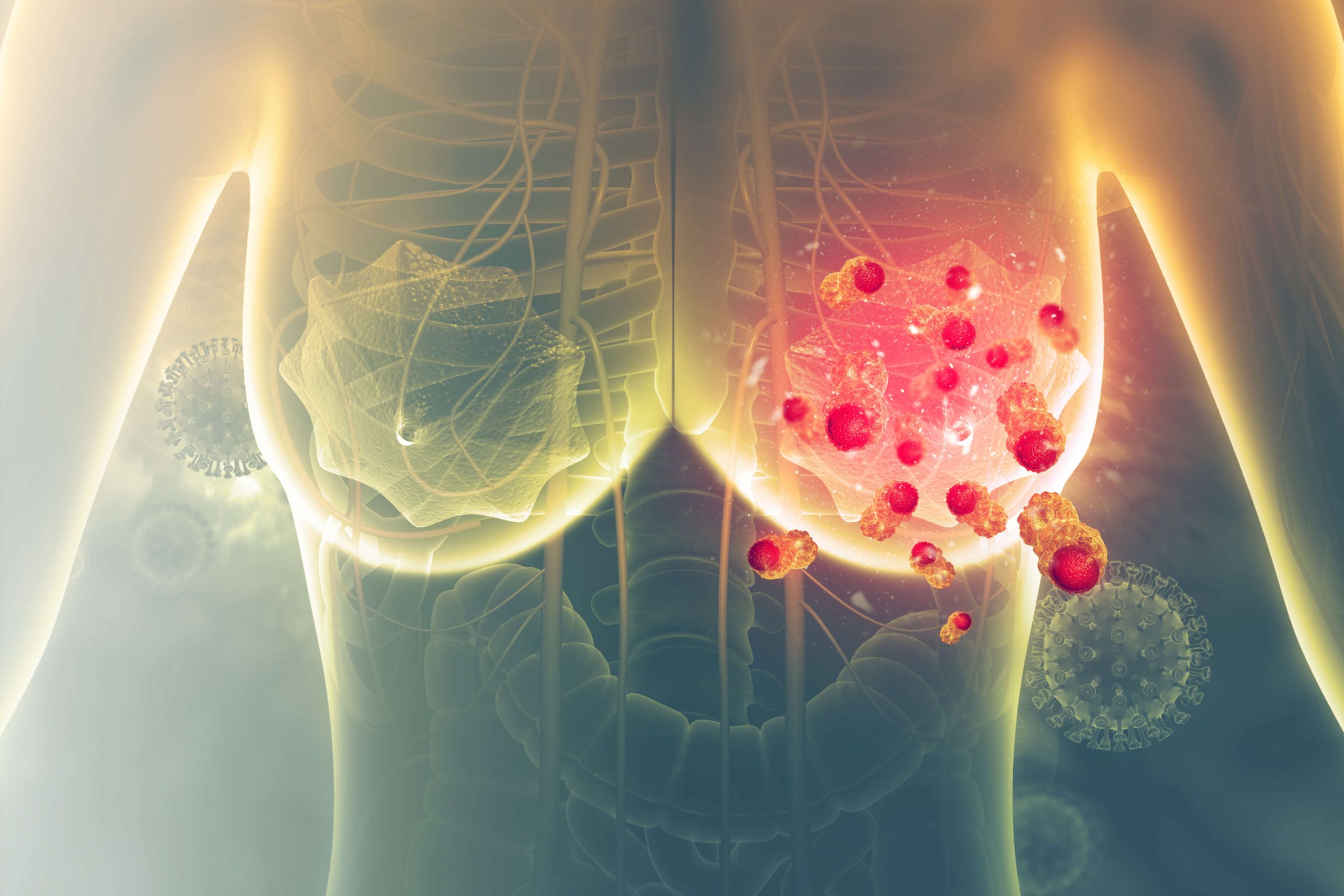
Breast cancer is the abnormal growth of cancer cells in the breast. These cancerous cells can develop and mutate rapidly, potentially spreading to other parts of your body.

According to the Singapore Cancer Society, breast cancer is the most common cancer among Singaporean women, with around 1,000 women diagnosed annually. Furthermore, approximately 1 in 13 Singaporean women will be diagnosed with breast cancer throughout their lifetime.

Types of Breast Cancer

There are various types of breast cancer, and they can be categorised into two main types: Invasive and non-invasive (in situ).

For invasive cancers, the cancerous cells (malignant) have the ability to spread to adjacent breast tissue and other organs, whereas for non-invasive cancers, the cells do not have this ability.

Some of the most common types of breast cancer include:

  • Invasive Ductal Carcinoma (IDC). IDC is the most common type of breast cancer. It originates from the breast’s milk ducts and slowly invades nearby breast tissues. IDC can also spread to other parts of the body.
  • Invasive Lobular Carcinoma (ILC). ILC begins in the milk glands (lobules) instead of originating from the milk ducts like IDC and slowly invades the other areas of the breast. Similar to IDC, ILC can also spread to other parts of your body.
  • Ductal Carcinoma In Situ (DCIS). DCIS is non-invasive, meaning that the abnormal cells are confined to the breast’s milk ducts and have not spread to nearby breast tissues.
  • Inflammatory Breast Cancer (IBC). IBC is a rare but aggressive form of breast cancer, making up around 1 to 5% of all breast cancer cases. It is classified as Stage 3 breast cancer, where the cancer cells infiltrate the skin and lymph vessels of the breast, blocking the lymph nodes. Apart from developing a lump, IBC can also cause your breasts to swell, turn red and feel very warm.
  • Metastatic Breast Cancer (MBC). MBC is classified as Stage 4 breast cancer, and the cancer cells have spread to other parts of the body such as the lungs, liver, brain or bones.
  • Triple-Negative Breast Cancer (TNBC). TNBC is another uncommon form of breast cancer, affecting only about 10 to 15% of breast cancer patients. For TNBC to be diagnosed, the two hormone receptors (Estrogen and progesterone receptors) and the Her2 receptor are absent from the cancer cells. This type of cancer is more aggressive than the hormone receptor positive breast cancer.

Risk Factors for Breast Cancer

As with any other type of cancer, breast cancer also has its associated risks. However, possessing risk factors does not imply that you will develop breast cancer. Some women may still get breast cancer even though they do not fall under any of the risk categories. Having a risk factor simply means that you have a higher chance of developing breast cancer in your lifetime.

Some of these risk factors include:

  • Gender. Women have a much higher risk of getting breast cancer as compared to men. However, women are not the only ones who can be diagnosed with breast cancer. Men are also susceptible to the disease, with about less than 1% occurrence.
  • Age. The risk of breast cancer increases as you age. Women above 40 years old should have regular breast screening.
  • Family history. Having a first- or second-degree family or relative who has or had breast cancer increases the risk of developing breast cancer.
  • Genetic mutations. Women who have inherited mutated genes such as BRCA1 and BRCA2 have a higher chance of getting breast cancer.
  • Hormones. Women who menstruate early (before 12), menopause late (after 55), have their first pregnancy after age 30 or have not been pregnant before are at a higher risk of developing breast cancer. These examples are linked to the female hormone oestrogen, which is known to affect breast tissues.
  • Lifestyle factors. Women who are physically inactive, consume a high-fat diet or indulge in alcohol excessively also have an increased risk of developing breast cancer due to alterations in oestrogen levels. Older women who are obese also have a much higher chance of getting breast cancer. Women who are on Hormone Replacement Therapy (HRT) are also at an increased risk of developing breast cancer.
  • Previous history. Women who have had breast cancer or non-cancerous breast disease are also at a much higher risk of being diagnosed with breast cancer.

Early Signs of Breast Cancer

In most cases, early breast cancer does not produce any noticeable symptoms. However, there are still several tell-tale indicators of potential breast cancer.

The common symptoms and early signs of breast cancer may include:

  • A lump in the breast or underarm area
  • Changes in the size or shape of the breast or nipple (thickening/swelling)
  • Nipple discharge (clear or bloody)
  • Irritation or redness in the breast or nipple area
  • Dimpling of breast skin
  • Pain in the breast or nipple area

Without screening, you are unlikely to realise if you have breast cancer until there is a significant lump in your breast area that is large enough to be felt or seen. Even so, a lump may not necessarily indicate that you have breast cancer. Breast cancer is often not noticeable, therefore it is important to undergo breast cancer screening as early detection of cancer cells means simpler treatment and less chance of dying from breast cancer.

How Is Breast Cancer Diagnosed?

  • Mammography. Mammography uses low-dose x-rays to examine and detect abnormalities in the breast. It allows the detection of abnormalities that may suggest the presence of cancerous tumours or lumps that cannot be easily seen or felt. During a mammogram, both your breasts will be gently compressed between two transparent plates. X-ray images of each breast will then be taken from different angles.
  • Ultrasound. A breast ultrasound scan uses penetrating sound waves to determine whether a lump is solid or filled with liquid. This is usually done with mammography to increase the detection rate for any abnormalities or unusual lumps in the breast.
  • Magnetic Resonance Imaging (MRI). An MRI scan uses magnetic waves to produce detailed images of the interior of your breasts. This method is usually used to detect breast lumps that are not visible with mammography or ultrasound. It may be recommended if you are under 40 years old and belong to the high-risk group (family history or presence of BRCA 1 or 2 genes). However, this method is generally not recommended for routine breast screening for normal-risk women.
  • Breast Biopsy. A breast biopsy is a test usually done when your doctor suspects a significant chance of the presence of abnormal cells in your breast after having done the standard screening tests. Your doctor will use surgical procedures to remove sample tissues from suspicious areas, and these tissue cells will undergo further examination to determine if they are cancerous.

Conclusion

Breast cancer may be the most common cancer among Singaporean women, but it can be treated when detected early. Early warning signs and symptoms may indicate a more serious issue and could lead to breast cancer. However, these tell-tale signs are often unnoticeable and may not even be present at all.

As such, early detection through the various screening options is the key to simpler treatment and increasing the chance of surviving breast cancer.

Make an appointment with Dr. Tan Chuan Chien for breast cancer screening today: https://cctansurgery.com.sg/contact-us/

5 Common Thyroid Diseases That Affect Women

What Is the Thyroid Gland?

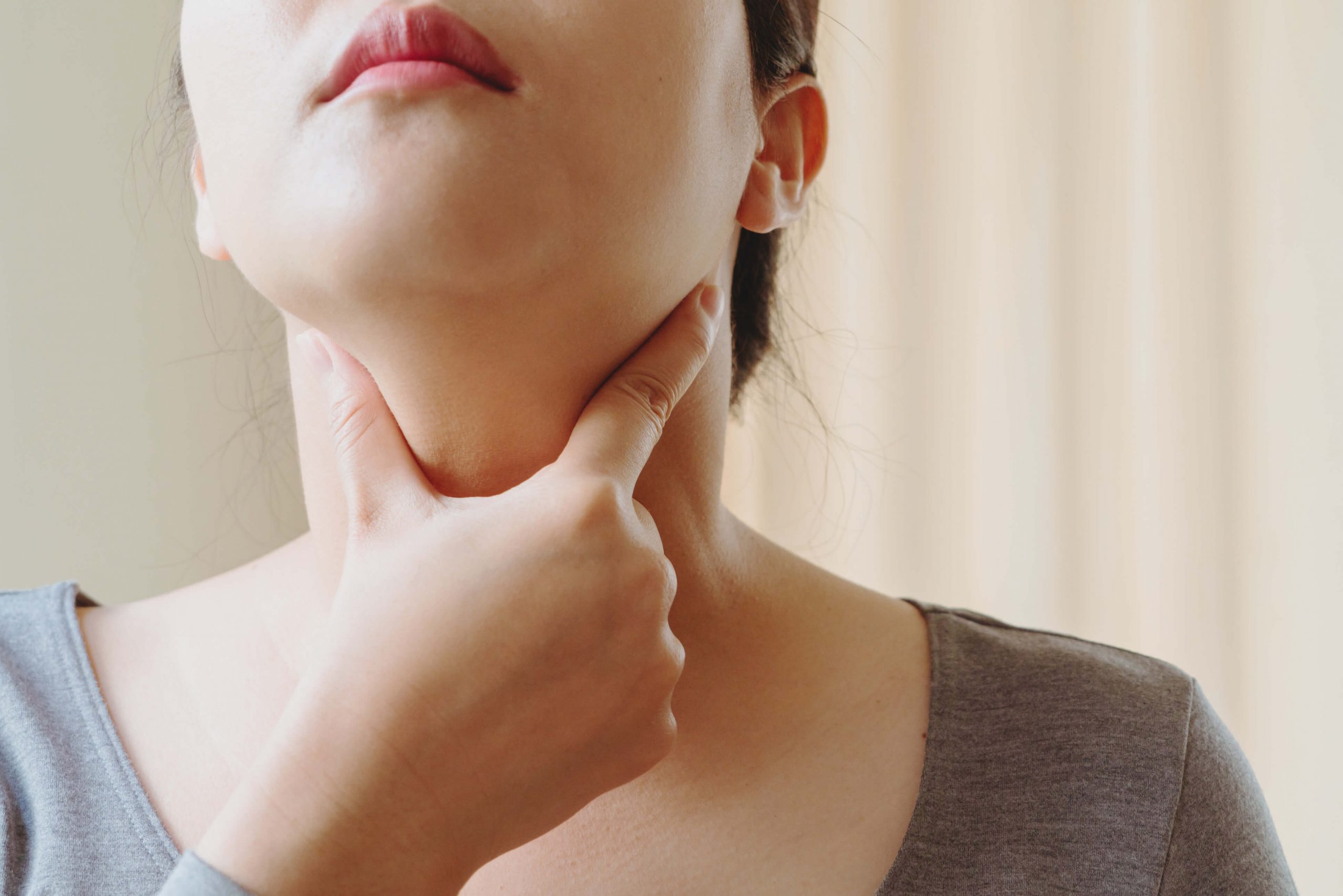
The thyroid gland is a butterfly-shaped organ located in the front of your neck, wrapped around your windpipe (trachea). It is part of the endocrine system responsible for producing hormones, mainly thyroxine (T4) and triiodothyronine (T3). These hormones are essential in many of your body’s processes, helping to regulate your body’s vital functions.

What Does the Thyroid Gland Do?

The thyroid gland plays a crucial role in your endocrine system — releasing and regulating hormones that control your body’s metabolism. This energy is utilised throughout your body to ensure that your body systems are functioning properly. The thyroid gland will typically produce the exact amount of hormones required to keep your body’s metabolism in balance.

Like any other organ in the body, the thyroid can also malfunction, resulting in thyroid-related diseases. In fact, thyroid diseases are relatively common, with women being 10 times more prone to thyroid problems.

Here are the 5 common thyroid diseases that affect women.

1. Goitre

Goitre is a noncancerous type of thyroid disease in which the thyroid gland swells and enlarges. Anyone can develop a goitre regardless of age; however, it is known that women above the age of 40 are more likely at risk.

One or more of the following common symptoms may include:

  • Obvious swelling in your neck
  • Tightness in your neck
  • Difficulty breathing or swallowing
  • Hoarseness of voice
  • Coughing
Causes of Goitre

Iodine deficiency is one of the leading causes of goitres. As iodine is one of the key minerals in the production of thyroid hormones, a lack of iodine in your diet can lead to the development of endemic goitres.

Insufficient thyroid hormones produced can also lead to the enlargement of the thyroid to make up for this shortage, forming a goitre.

Goitre Diagnosis and Treatment

Several tests can be carried out to diagnose a goitre, including the following:

  • Physical examination. Your thyroid specialist may check your neck for swelling or signs of nodules (growth of abnormal tissues).
  • Blood tests can measure thyroid hormone levels to indicate if the thyroid gland is functioning correctly.
  • Ultrasound scan. It is an imaging test that produces images of your neck, your goitre’s size, and any presence of nodules.
  • Nuclear medicine thyroid scan. This is done by injecting a small amount of radioactive material into your veins to produce images of your thyroid on a computer, revealing the condition of your goitre.
  • Biopsy. This involves retrieving several small samples of any thyroid nodules present, which will be sent for further examinations.

The typical treatment methods of goitre are:

  • Medications prescribed depend on whether the thyroid is overactive or underactive.
  • Surgical removal of the goitre.
  • Radioactive iodine treatment to destroy an overactive thyroid.

2. Hyperthyroidism

Hyperthyroidism is a condition in which your thyroid gland produces too much thyroid hormones, and your body cells work faster than usual. This results in a high metabolic rate.

Common symptoms of hyperthyroidism may include the following:

  • Swelling in your neck
  • Rapid and irregular heart rate
  • Diarrhoea
  • Weight loss
  • Fatigue
  • Irregular menstrual cycle
  • Insomnia
  • Elevated blood pressure
Causes of Hyperthyroidism

A variety of conditions can cause hyperthyroidism, including:

  • Grave’s disease, an autoimmune disorder, which causes your immune system’s antibodies to invade and stimulate your thyroid. This will result in your thyroid producing too much hormone.
  • Excess iodine can also cause your thyroid to secrete too much hormone.
  • Thyroiditis, which is an inflammation of your thyroid, will cause stored thyroid hormones to leak out of the thyroid gland.
  • Thyroid nodules, which are benign tumours that develop in your thyroid, may occasionally become overactive and produce too much hormone.
  • Excessive thyroid medication, taken by patients with hypothyroidism (underactive thyroid).
Hyperthyroidism Diagnosis and Treatment

Several tests can be carried out to diagnose hyperthyroidism, including the following:

  • Physical examination. You may be checked for any symptoms such as a rapid pulse or a swollen neck.
  • Cholesterol test. A low cholesterol level may indicate an increased metabolic rate as your body burns cholesterol faster.
  • Blood tests can measure thyroid hormone and thyroid-stimulating hormone (TSH) levels to indicate whether the thyroid gland functions correctly. The pituitary gland, another part of your endocrine system, releases TSH to stimulate the thyroid gland to produce hormones. High thyroid hormone and low TSH levels can indicate an overactive thyroid gland.
  • Radioactive iodine. Your thyroid specialist may administer small amounts of radioactive iodine into the mouth or through an injection to measure the amount of iodine your thyroid gland absorbs, which will reveal whether the thyroid gland is working normally.
  • Imaging tests, such as ultrasound or thyroid scan, can measure the size of your thyroid gland and identify any abnormal growth.

Treatments for hyperthyroidism damages the thyroid gland to reduce the production of thyroid hormones.

  • Medications. Anti-thyroid drugs such as methimazole prevents your thyroid gland from overproducing hormones.
  • Radioactive iodine treatment. A large dose of radioactive iodine may be administered which effectively damages the thyroid gland and the cells that produce thyroid hormones.
  • Surgery to remove part or all of your thyroid can also be done.

3. Hypothyroidism

On the other hand, if too little thyroid hormones are produced, you may develop another condition called hypothyroidism. This is the complete opposite of hyperthyroidism, as your body cells will work slower than expected (underactive).

Some of the common symptoms of hypothyroidism may include the following:

  • Fatigue
  • Constipation
  • Weight gain
  • Swollen neck
  • Irregular menstrual cycle
  • Slow heart rate
  • Depression
  • Muscle aches
Causes of Hypothyroidism

The most common cause of hypothyroidism is Hashimoto’s thyroiditis. It is an autoimmune disorder where your body’s antibodies attack and destroy your thyroid glands, resulting in the underproduction of thyroid hormones.

Over response to hyperthyroidism treatment such as an excess amount of radioactive iodine or anti-thyroid medications may also develop hypothyroidism instead as you may end up lowering thyroid hormone production by too much. Similarly, surgery performed to remove part or all of the thyroid gland may also result in an underactive thyroid as hormone production is significantly reduced.

Hypothyroidism Diagnosis and Treatment

Tests to diagnose hypothyroidism are similar to hyperthyroidism.

They may include:

  • A physical examination to check for symptoms such as a swollen neck or apparent weight gain.
  • Blood tests to measure thyroid hormone and thyroid-stimulating hormone (TSH) levels. Low thyroid hormone and high TSH levels can signal an underactive thyroid gland.
  • Imaging tests, such as ultrasound or thyroid scan, can measure the size of your thyroid gland and identify any abnormal growth.

The typical main treatment of hypothyroidism is to take thyroid hormone medications. These medications replace the shortage of hormones produced by your thyroid gland, ensuring your hormone levels are balanced. However, the amount of thyroid hormone medications to consume must be carefully measured as too much of it may cause hyperthyroidism.

4. Hashimoto’s Thyroiditis

Hashimoto’s thyroiditis is an autoimmune disorder where your immune system’s antibodies attack and destroy your thyroid glands, resulting in the underproduction of thyroid hormones.

Hashimoto’s thyroiditis is different from hypothyroidism as one affects the immune system while the other affects the thyroid gland. It is one of the common possible causes of hypothyroidism. However, if you are suffering from Hashimoto’s thyroiditis, you may not necessarily develop hypothyroidism.

Common symptoms of Hashimoto’s thyroiditis are similar to hypothyroidism.

Causes of Hashimoto’s Thyroiditis

Hashimoto’s thyroiditis occurs when your immune system’s antibodies mistakenly attack and destroy your thyroid glands. The actual reason is largely unknown, but many believe that viruses might play a significant role.

Hashimoto’s Thyroiditis Diagnosis and Treatment

Diagnosing Hashimoto’s thyroiditis is similar to hypothyroidism. Blood tests are performed to measure thyroid hormone and thyroid-stimulating hormone (TSH) levels. Low thyroid hormone and high TSH levels can be signals for Hashimoto’s Thyroiditis. The blood tests can also reveal abnormal antibodies that might be damaging the thyroid.

There is generally no exact treatment for Hashimoto’s Thyroiditis. However, thyroid hormone medications to replace the lost hormones may likely be recommended to raise hormone levels.

5. Thyroid Nodules

Thyroid nodules are abnormal growths that may be solid or liquid-filled, and they tend to develop on or in the thyroid gland.

Thyroid nodules and goitres are not exactly the same. Thyroid nodules are lumps that develop in the thyroid gland, while a goitre is an enlargement of the thyroid gland. A goitre can also develop from the formation of several nodules.
Common symptoms of thyroid nodules are also similar to other types of thyroid diseases.

Causes of Thyroid Nodules

The actual cause of thyroid nodules is unknown, but several medical conditions may result in their formation.

They may include:

  • Thyroiditis, which is the inflammation of the thyroid gland.
  • Iodine deficiency
  • Thyroid adenoma, which is an unusual growth of thyroid tissues
  • Thyroid cancer. Most thyroid nodules are benign, but some do turn out to be cancerous.
Thyroid Nodules Diagnosis and Treatment

During the physical examination, an apparent swelling of your neck may hint the presence of thyroid nodules. Thereafter, imaging tests such as an ultrasound or thyroid scan may be conducted to accurately check for the presence of nodules.

Once a thyroid nodule is detected, blood and thyroid-stimulating hormone (TSH) tests may be performed to measure thyroid hormone levels. A biopsy may also be conducted to determine if the nodule is cancerous.

As thyroid nodules are mostly benign, there is usually no need for treatment. However, if the nodules grow over time and related symptoms appear, treatment may be necessary.

The treatment options for thyroid nodules also depend on whether these nodules result in an overactive (hyperthyroidism) or underactive (hypothyroidism) thyroid. If the thyroid nodules turn out to be cancerous, surgery to remove these nodules will most likely be recommended by a specialist.

Conclusion

Most thyroid diseases such as hyperthyroidism or hypothyroidism cannot be prevented.
However, you can prevent complications by getting diagnosed early and following your doctor’s prescribed treatment.

Schedule a thyroid examination and consultation with our thyroid specialist Dr. Tan Chuan Chien today: https://cctansurgery.com.sg/contact-us/

Breast Lump Removal (Lumpectomy): Read This Before Seeing A Specialist

What Is a Lumpectomy?

Lumpectomy for breast cancer is a surgical procedure to remove cancerous growth or abnormal tissues from the breast. It is also called breast-conserving surgery as only a portion of the breast containing cancerous tissues is removed, thereby preserving the rest of the breasts that are healthy. This is unlike a traditional mastectomy, which removes the entire breast tissue from the breasts.

Why Is a Lumpectomy Done?

Lumpectomy is performed to remove the cancerous growth and prevent it from spreading to other parts of the body. It is also typically less invasive as compared to the entire removal of the breast tissues (mastectomy).

Lumpectomy is done if the following conditions are met:

  • Cancer only affects a portion of your breasts
  • The cancerous tumour is relatively small compared to your breast
  • Ample breast tissues are available to reshape your breast after the removal of the cancerous tissues
  • You are medically fit to undergo surgery and the follow-up radiation treatment

Radiation After a Lumpectomy

Radiation therapy is usually provided after a lumpectomy to remove any remaining cancer cells left in the breast. This significantly minimises the risk of cancer returning (breast cancer recurrence).

This process is generally painless, although minor complications may include skin irritation, redness or peeling.

Who Is Not Suitable for Radiation Therapy?

Radiation therapy is not recommended if you:

  • Are pregnant. Radiation therapy utilises high-energy x-rays, which can harm the fetus. It is recommended that you undergo radiation therapy only after delivery.
  • Previously received radiation treatment in the same breast.
  • Possess medical conditions such as Scleroderma, or other connective tissue diseases, which can increase your risks of radiation side effects.
  • Possess medical conditions such as Scleroderma, or other connective tissue diseases, which can increase your risks of radiation side effects.

How Will Your Breasts Change After a Lumpectomy?

Your breasts will likely change in terms of appearance and texture after a lumpectomy. This is due to the removal of cancerous breast tissues, which will decrease the size of your breasts. Furthermore, if you have a larger tumour than breast size ratio, your breasts may become asymmetrical.

However, you may opt for breast reconstruction or other cosmetic surgeries such as liposuction and oncoplastic breast surgery either during your lumpectomy or later. This is usually done to maintain a more natural appearance of your breast and also to restore breast symmetry.

What Happens During a Lumpectomy?

During a lumpectomy, your doctor will first administer anaesthesia before making incisions on your breasts. They will then locate the cancerous tumour and carefully remove it, together with a rim of some healthy breast tissues surrounding the tumour. This is done to ensure that no cancer cells are left behind. The tumour is then sent for testing.
Additionally, your surgeon may also remove any lymph nodes from your underarm to check if the cancer has spread.

Lastly, your surgeon will likely place small marking clips into the lumpectomy site to aid your radiologist to identify the area required for radiation therapy. The breast tissue is then sewn back together with stitches and then bandaged.

What Are Possible Complications?

Similar to any other surgery, there are also possible complications after a lumpectomy.

They may include:

  • Bleeding
  • Infection
  • Pain
  • Temporary swelling
  • Numbness due to the possibility of nerves being affected during tumour removal
  • Changes in the size and appearance of your breasts, especially if a large portion is removed.
  • Formation of scars at the surgical site

How to Prepare for a Lumpectomy?

Before your lumpectomy, you will likely have several appointments scheduled with your breast surgeon. They may perform physical examinations or imaging tests such as mammography to determine the shape and size of the tumour.

They may also ask about the type of medications you are currently taking or any allergies that you may have.

Some of the things that your doctor may further recommend include:

  • Avoid taking blood-thinning medications such as Aspirin up to a week before the surgery to reduce your risk of bleeding after the surgery.
  • Avoid eating or drinking 8 to 12 hours before the surgery.

It is also ideal that you bring along a family member or a close friend during the day of your surgery to provide support and help you take down crucial information relating to the surgery or post-surgery.

What to Expect After a Lumpectomy?

Lumpectomy surgery can be done as a day surgery procedure, meaning you can generally go home after the surgery.

After the surgery, you will be transferred to the recovery room, where you will be observed and monitored until your anaesthesia wears off. Depending on your situation, you may have a small tube inserted in your chest at the surgical site, where it will be attached to small bags for liquid to drain. Your doctor will likely remove this small tube within a week or so. During this period, you will have to empty the drain several times a day.

Following that, your doctor will likely advise you on how to care for yourself at home during the recovery period, which may include:

  • Avoiding any strenuous activities and ensuring that you get sufficient rest.
  • Taking any pain medications as prescribed and recommended by your doctor.
  • Wearing a bra with good support to minimise movement as much as possible to prevent additional pain.

If radiation therapy is required, it will typically commence within a few weeks after lumpectomy.

How Long Does It Take to Recover?

While most patients are able to go home the day after their surgery, the recovery period from a lumpectomy surgery varies for each person. The recovery process depends on the severity of your cancer, how much breast tissue is removed during the surgery, your general health, age and many other factors.

For 1 to 2 days after the surgery, you will likely feel fatigued and experience minor pain. Swelling and bruising may also last for several weeks.

It will generally take from about 2 to 3 weeks to a month to recover fully from the surgery. However, it depends on whether additional surgery had been performed, or further radiation therapy, as these additional treatments will likely lengthen the recovery time.

When Should You See Your Surgeon?

It is not the end even after you fully recover. You should schedule follow-up appointments with your doctor to review your condition.

Contact your doctor to seek for immediate medical attention if you experience:

  • A lump that does not disappear even after your menstrual period
  • Any changes in the size or appearance of your breasts
  • Blood or clear fluid discharge from your breasts
  • Bleeding, especially at your breast area
  • Breathing difficulties
  • Dizziness
  • Chest pain or tightness
  • Prolonged pain even after taking painkillers

Conclusion

Most of the time, the intent of breast cancer surgery is to remove the cancer completely. However, there is still a risk of breast cancer recurrence in some cases. As such, it is crucial to go for all of your follow-up appointments as scheduled with your doctor, and constantly take note of any abnormalities or symptoms.

It is also important to seek treatment early. Early detection and treatment of breast cancer significantly increases survival rate and a chance of recovery.

Consult our breast surgeon, Dr. Tan Chuan Chien, to know more about lumpectomy surgery, or discuss any concerns you may face: https://cctansurgery.com.sg/contact-us/