Call Us +65 6471 1233

Breast Cancer Screening In Singapore: What You Need To Know

What Is Breast Cancer?

Breast cancer is the abnormal growth of cancer cells in the breast. These cancerous cells can grow over time and potentially spread to other parts of your body.

According to the Singapore Cancer Society, breast cancer is the most common cancer among Singaporean women, with around 1,000 women diagnosed annually. Furthermore, approximately 1 in 13 Singaporean women will be diagnosed with breast cancer throughout their lifetime.

The common symptoms of breast cancer may include:

  • A lump in the breast or underarm area
  • Changes in the size or shape of the breast (thickening/swelling)
  • Nipple discharge, excluding breast milk
  • Irritation or redness in the breast or nipple area
  • Dimpling of breast skin
  • Pain in the breast or nipple area

Why Is Breast Cancer Screening Important?

Breast cancer screening is crucial as it ​allows doctors to diagnose breast cancer in patients at an early stage, hence enabling simpler treatments and better survival.

Breast cancer usually begins as a precancerous lesion and eventually develops into invasive cancer. It usually begins with changes within the breast that are often not noticeable by the patient. It can be changes that are as small and fine as grains of sands. However, breast screening with scans can detect these changes and enable early diagnosis and treatment of these early breast cancer lesions. Usually, when these lesions are so small, the treatment for breast cancer is much simpler and there is a better chance of survival. Because, breast cancer is not an uncommon disease, hence all women should undergo regular breast screening.

Breast cancer screening as early detection of cancer cells can increase your survival rate with early treatment.

What Is Mammography?

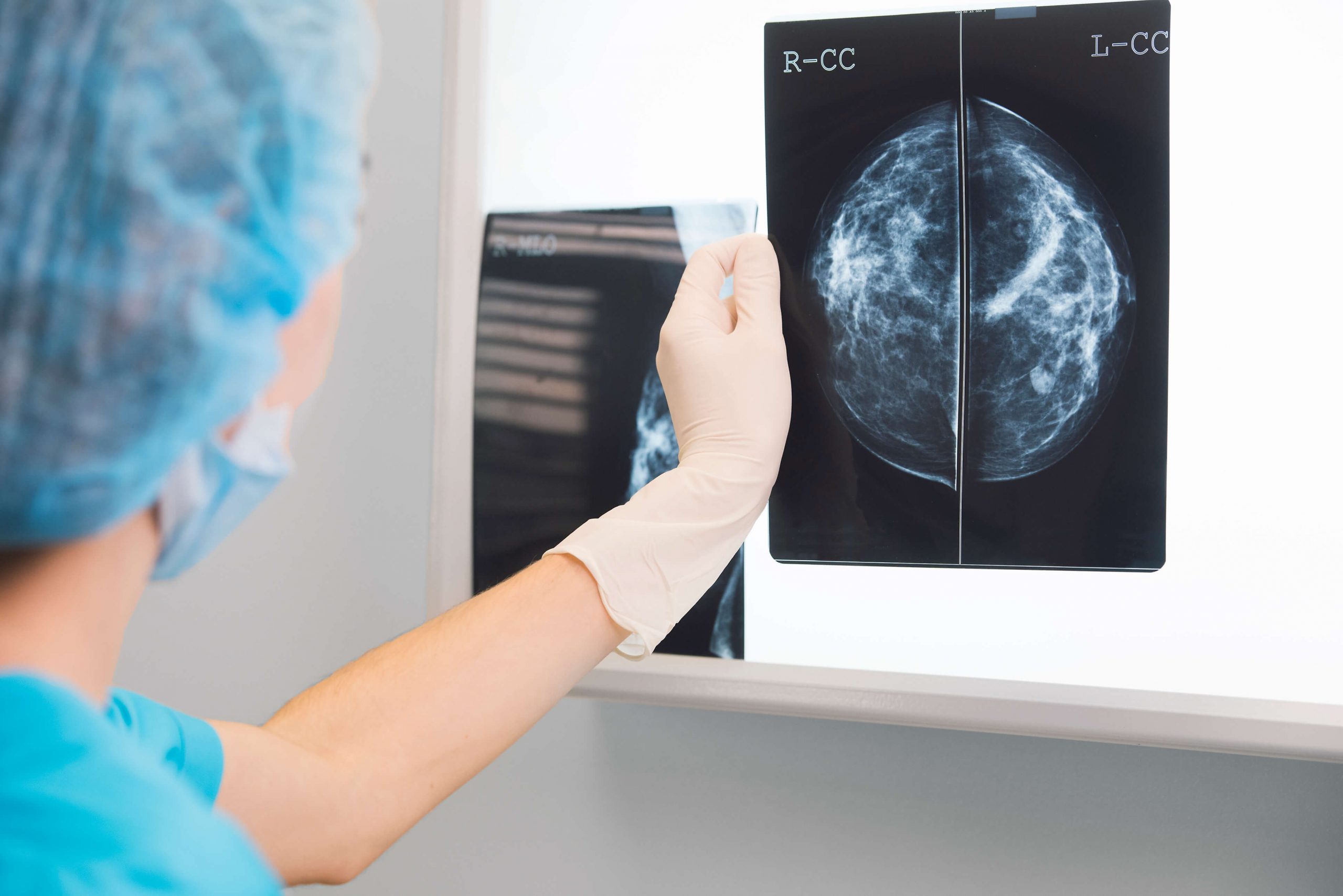
Mammography is an imaging test to examine and detect abnormalities in the breast area using x-rays. It is one of the most common and reliable methods for detecting early breast cancer as it allows the detection of cancerous tumours or lumps that are not large enough to be felt or noticed.

Benefits of Mammography

The advantages of mammography include:

  • Allow detection of early-stage breast cancer before any noticeable symptoms.
  • Significantly increases chances of recovery when cancer is detected early.
  • Simpler treatment if breast cancer detected early hence less side effects and pain.

Risks of Mammography

Similar to most screening methods, there are also risks involved during mammography.

During mammography, your breasts are exposed to a small amount of radiation. As such, there is a risk of radiation due to x-ray procedure. However, as the radiation emitted is of low dosage, there is generally no significant harm to your body.

There is also a possibility of false-positive results, hence, the possibility of over-treatment. ​​For patients with dense breasts, there is an increased risk of false-negative results from the screening mammography, as both the dense breast and cancers may appear white on regular mammography. Unfortunately, we now know that increased breast density is associated with an increased risk of breast cancer. Hence, it is important to discuss this with your Breast Specialist to overcome this via alternate methods of screening, based on your individual risk.

Difference Between 2D and 3D Mammograms

Both 2D and 3D mammograms are largely similar as they use a low-dose x-ray machine to examine the breast area. However, there are still slight differences between them, such as how the images are taken and the manner the results are presented.

A 2D mammogram takes two pictures of each breast to create two images of each breast.

A 3D mammogram takes multiple images of each breast from different angles and shows individual layers of breast tissue. These images are then constructed together to present a 3D view of the breasts. As such, finer details of the breast can be viewed clearly, significantly reducing unnecessary recall and false-negative test results.

What Happens During a Mammogram?

During a mammogram, the x-ray technician will gently compress both your breasts between two transparent plates. Images of each breast will then be taken from different angles (depending on whether you are doing a 2D or 3D mammogram) by special x-ray equipment.

There are generally two types of mammograms, digital and non-digital (film-screen). Both mammograms operate the same way, with the digital method preferred as it can minimise background noise, resulting in clearer images of the breast.

What Are the Alternative Screening Options?

Apart from mammograms, there are also many other additional screening options available. A mammogram is usually sufficient to detect breast cancer. However, there may be instances where further tests may be required in certain scenarios.

These alternative screening options include:

Ultrasound

  • A breast ultrasound scan uses penetrating sound waves (sonography) to look for and determine the solidity of a lump.
  • This is usually done in conjunction with mammography to increase the pick-up rate for abnormalities or suspicious lumps in the breast.

Breast Biopsy

  • A breast biopsy is the next stage of testing and is usually done when your doctor suspects a significant chance of the presence of abnormal cells in your breast.
  • Your doctor will use surgical procedures to sample tissues from suspicious lumps, and these tissue cells will undergo further examination to determine if they are cancerous.

Magnetic Resonance Imaging (MRI)

  • An MRI scan may be recommended if you are under 40 years old and belonging to the high-risk group (family history or presence of BRCA 1 or 2 genes)
  • An MRI scan may also be preferred over mammograms and ultrasounds in cases of silicone injections in your breasts.
  • However, this method is generally not recommended for routine breast screening for normal-risk women.

Clinical Examination

  • A visual inspection of the breast to identify abnormalities or suspicious lumps that can be seen
  • A physical check of the breast to detect unusual lumps

Who Should Be Screened for Breast Cancer and How Often?

According to Singapore national screening guidelines, normal-risk Singaporean women aged 40 and above are recommended to go for a mammogram screening once every year. For those aged 50 and above, a mammogram screening is recommended once every 2 years.

Women in high-risk groups, such as those with a family history of breast cancer or other types of cancer, should see a Breast cancer specialist to discuss their individual risk and may have to commence screening earlier.

You should consult your doctor or breast specialist to discuss your individual risk of breast cancer and the benefits and risks of the various screening options or if you suspect you may have breast cancer due to the detection of abnormalities in your breast.

Conclusion

Breast cancer may be the most common cancer among Singaporean women, but it is treatable if detected early. Early detection through the various screening options is the key to improving the chances of surviving breast cancer.

Contact Dr. Tan Chuan Chien to schedule a breast cancer screening today: https://cctansurgery.com.sg/contact-us/


Lump in Your Breast? What to Do When You Notice One

What Is a Breast Lump?

A breast lump is a bulge or a bump that develops in the breast. Breast lumps can differ in size, appearance and texture. However, they may be too small to be noticeable until detected using screening tools such as mammograms.

Breast Lump vs Normal Breast Tissue

Your breasts are composed of fats, blood vessels, nerves, milk glands, milk ducts, fibrous connective tissues and dense breast tissues. This is a complex anatomy structure, where it can become challenging to differentiate between a breast lump and a normal breast tissue. However, there are still significant distinctions between them.

A breast lump will feel like a discrete distinct and unusual bump that is prominently more solid than the rest of your breast tissues. These lumps also vary in size (from a pea to a golf ball) and texture.

On the other hand, normal breast tissue will have a more consistent spongy and fibrous feel.

Causes & Symptoms of Non-Cancerous Lumps

Most non-cancerous breast lumps and conditions result from a change in breast tissues according to your menstrual cycle and fluctuations in your hormone levels. Other causes may include breast infections or injuries. It is normal for most women to experience changes in their breast tissues throughout their lifetime.

Here are some of the most common causes and symptoms of non-cancerous lumps.

Fibrocystic Changes

It is normal for your hormone levels to fluctuate during your menstrual cycle, resulting in changes in your breast tissues.

These changes are most common in middle-aged women (35 to 50 years old) and are likely to disappear with menopause.

Symptoms of fibrocystic changes include a rubbery or firm texture, a thickening of the breast tissue or a round, fluid-filled cyst.

Fibroadenomas

These are the most common type of benign breast lumps and commonly occur in young women aged 20 to 30 years.

Fibroadenomas are solid, round and rubbery lumps that are movable (akin to a marble ball) and are often painless. These lumps are usually non-cancerous.

Breast Cysts

A breast cyst is a non-cancerous fluid-filled sac in the breast. Breast cysts often develop during parts of your menstruation cycle due to changing hormone levels, and their size and texture often vary throughout the menstrual cycle. These cysts result from the growth of milk ducts and tissues during hormonal release and most commonly affect women aged 35 to 50 years.

Breast cysts are typically tender and smooth under the skin and are filled with liquid. Some of them may be painless, while others are quite painful. Most cysts tend to go away naturally; however, when a breast cyst is particularly large or painful, your doctor may need to carry out a procedure to drain the liquid.

Fat Necrosis

When a breast injury damages fatty tissue, fat will form in lumps. Fat necrosis usually occurs in women with large breasts, particularly in obese women.

These lumps are usually firm and round and are often painless.

Mastitis


Mastitis is an inflammation of the breast tissue due to an infection of the milk duct. It commonly occurs in breastfeeding women, though there are also rare cases of it happening to non-breastfeeding women as well.

This inflammation results in breast pain, swelling, reddening and warmth.

Intraductal papillomas

These lumps are small wart-like growths that develop in the mammary ducts near the nipple and may cause bleeding. Women aged 30 to 50 years are more likely to be affected by this condition.

How Do Cancerous Lumps Feel Like?

Not all cancerous breast lumps look and feel the same. However, there are still some common features of a cancerous lump.

A cancerous lump is typically:

  • Hard
  • Irregularly shaped
  • Immobile (cannot be pushed)
  • Painless
  • Growing over time

It is important to note that a cancerous lump may not necessarily meet any of the above conditions. For example, the lump can be soft and painful.

What to Do If You Noticed a Breast Lump?

Although most breast lumps are benign, some do turn out to be cancerous. If left untreated, a cancerous tumour can spread to other parts of your body. As both cancerous and non-cancerous breast lumps can look or feel the same, it is crucial for you to consult a doctor if you notice any unusual lumps in your breast.

A clinical breast examination is usually the first step of a breast lump diagnosis. During this check, a physical and a visual inspection of the breast will be done to identify abnormalities or suspicious lumps that can be seen or felt. Afterwards, follow-up tests may be recommended by your doctor to evaluate the lump.

How Are Breast Lumps Diagnosed?

There are several methods to evaluate and diagnose a breast lump. Although most breast lumps are non-cancerous, screening and imaging tests are still required to determine and establish the nature of a lump (benign or malignant). The choice of test to be done usually depends on your doctor’s assessment of your situation.

One or more of the following screening and imaging tests may be performed:

  • Mammography. Mammography uses low-dose x-rays to examine and detect abnormalities in the breast. It allows the detection of abnormal changes that may suggest cancerous tumours or lumps that cannot be easily seen or felt. During a mammogram, both your breasts will be gently compressed between two transparent plates. X-ray images of each breast will then be taken from different angles.
  • Ultrasound. A breast ultrasound scan uses penetrating sound waves to determine if a lump is solid or filled with liquid. This may be done in conjunction with mammography to increase the pick-up rate for abnormalities or unusual lumps in the breast.
  • Magnetic Resonance Imaging (MRI). An MRI scan uses magnetic waves to produce detailed images of the interior of your breasts. This method is usually used to detect breast lumps that are not visible with mammography or ultrasound.
  • Breast Biopsy. A breast biopsy is a test usually done when your doctor suspects a significant chance of the presence of abnormal cells in your breast after having done the standard imaging tests. Your doctor will use surgical procedures to remove sample tissues from suspicious lumps, and these tissue cells will undergo further examination to determine if they are cancerous.

Conclusion

Although having a breast lump does not necessarily mean it is cancerous, breast lumps are still the first sign that most breast cancer patients notice. Hence, if you notice a breast lump it is crucial to have it checked as early as possible. Contact our breast surgeon Dr. Tan Chuan Chien, who will help you identify any abnormalities in your breasts and advise you on the next steps. Make an appointment today: https://cctansurgery.com.sg/contact-us/
Mammogram Guide For Women in Singapore

What Is a Mammogram?

A mammogram is an x-ray of the breasts and a screening and diagnostic tool used to examine and detect abnormalities in parts of the breast.

There are generally two types of mammograms — 2-dimensional and 3-dimensional mammograms.

Screening Mammogram

A screening mammogram is a mammogram done on patients with no symptoms or signs to look for early breast cancer.

On the other hand, a diagnostic mammogram is usually performed when you experience any symptoms of breast cancer, such as the development of a lump.

Why Are Mammograms Important?

According to the Singapore Cancer Society, breast cancer is the most common cancer among Singaporean women, with around 1,000 women diagnosed annually. Furthermore, approximately 1 in 13 Singaporean women will be diagnosed with breast cancer throughout their lifetime.

Presently, mammography is the most common and reliable screening method for breast cancer. It allows the detection of cancerous tumours or lumps that cannot be seen or felt. As such, mammograms are crucial in detecting breast cancer early.

In early breast cancer, there may be no noticeable symptoms. Without mammogram screening, you are unlikely to realise if you have breast cancer until there is a lump in your breast that is large enough to be felt or seen. Furthermore, most breast cancer cases are sporadic, meaning that you may be diagnosed with breast cancer even if you have no family history of breast cancer or other risk factors.

As such, it is important to undergo breast cancer screening such as mammograms as early detection of cancer cells can increase your survival rate with early treatment.

Who Is at a Higher Risk of Developing Breast Cancer?

Similar to any type of cancer, there are several risk factors associated with breast cancer. However, possessing risk factors does not mean that you will get breast cancer, as some women may still get breast cancer even without having any. Having a risk factor simply means you have a higher chance of developing breast cancer in your lifetime.

Some of these risk factors include:

  • Gender. Women have a much higher risk of getting breast cancer as compared to men. However, women are not the only ones who can be diagnosed with breast cancer. Men are also susceptible to the disease, with about less than 1% occurrence.
  • Age. The risk of breast cancer increases as you age. Women above 40 years old should have regular breast screening.
  • Family history. Having a first- or second-degree family or relative who has or had breast cancer increases the risk of developing breast cancer.
  • Genetic mutations. Women who have inherited mutated genes such as BRCA1 and BRCA2 have a higher chance of getting breast cancer. In healthy cells, these genes help build proteins that repair damaged DNA. However, mutated versions of the genes can cause abnormal cell development which in turn, can possibly lead to cancer.
  • Hormones. Women who menstruate early (before 12), menopause late (after 55), have their first pregnancy after age 30 or have not been pregnant before are at a higher risk of developing breast cancer. These examples are linked to the female hormone oestrogen, which is known to affect breast tissues.
  • Lifestyle factors. Women who are physically inactive, consume a high-fat diet or indulge in alcohol excessively also have an increased risk of developing breast cancer due to alterations in oestrogen levels. Older women who are obese also have a much higher chance of getting breast cancer. Women who are on Hormone Replacement Therapy (HRT) are also at an increased risk of developing breast cancer.
  • Previous history. Women who have had breast cancer or non-cancerous breast disease are also at a much higher risk of being diagnosed with breast cancer.

How to Prepare for My Mammogram?

Before you go for your mammogram, there are several things you should prepare and take note of to ensure that you have a pleasant experience. Having a proper plan before your mammogram can minimise discomfort, as much as possible.

  • Avoid applying deodorants, body powder, perfumes, or ointments on your breasts or underarms before a mammogram. These substances may appear as white spots during your mammogram, which affects the accuracy of the screening results.
  • Dress comfortably, ideally a two-piece outfit. During the mammogram, you will be asked to remove your top. Hence, wearing something easily removable will be a more convenient choice.
  • Schedule your mammogram preferably a week after your menstrual period. This is to avoid the period of increased breast sensitivity and tenderness, which typically occurs during the menstrual cycle.
  • Consider taking pain relievers or non-steroidal anti-inflammatory drugs such as Ibuprofen an hour before or immediately after the examination to reduce pain.

How Should I Schedule My Mammogram?

According to Singapore national screening guidelines, normal-risk Singaporean women aged 40 and above are recommended to go for a mammogram screening once every year. For those aged 50 and above, a mammogram screening is recommended once every 2 years.

Furthermore, if you belong to the high-risk groups, such as having a family history of breast cancer or other types of cancer, you may be recommended to commence screening earlier.

You should consult your doctor or breast specialist to discuss whether you should undergo a mammogram screening depending on your risk factors and symptoms once you reach the recommended age group.

How Is a Mammogram Done?

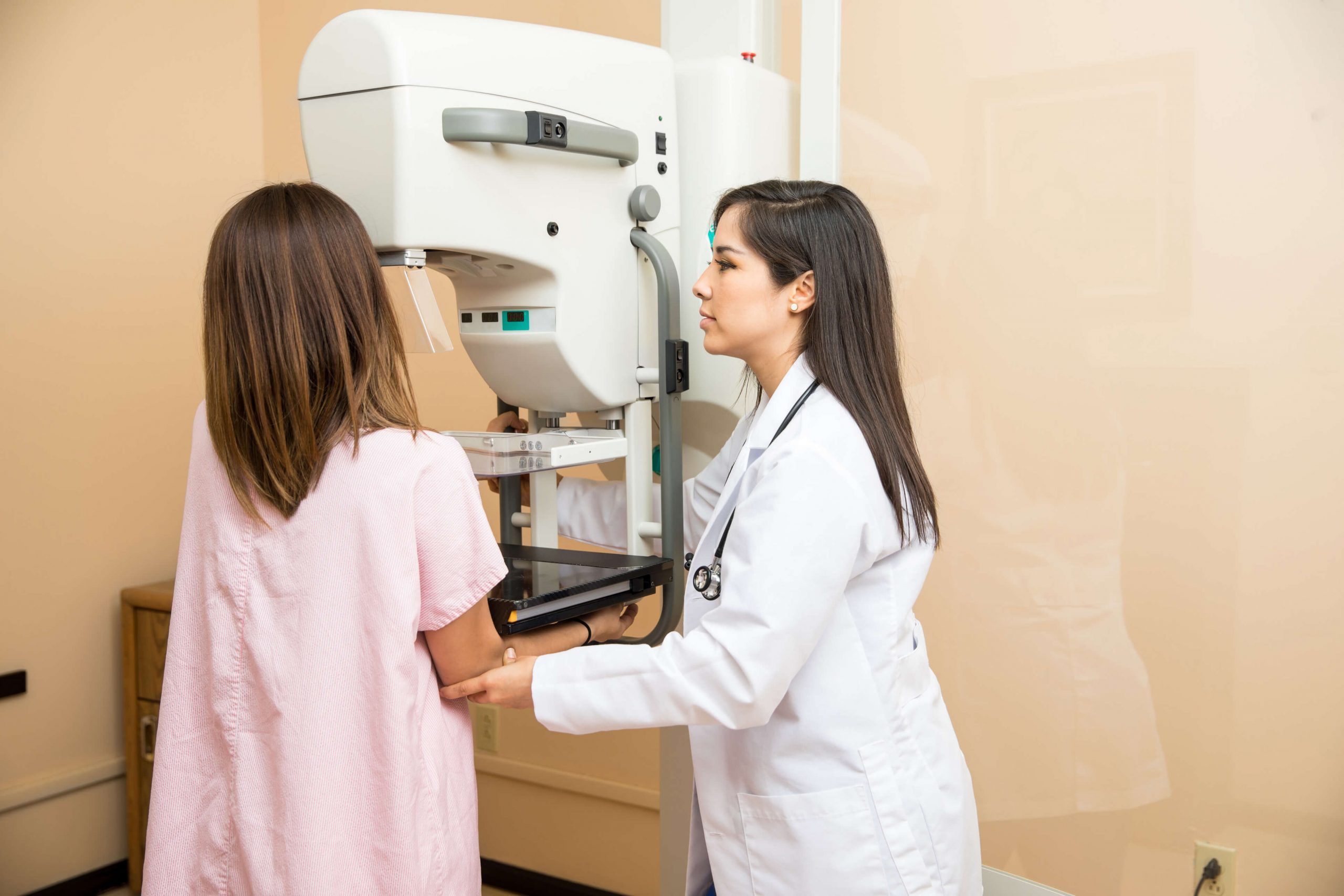
During a mammogram, the x-ray technician will gently compress both your breasts between two transparent plates. Images of each breast will then be taken from different angles (depending on whether you are doing a 2D or 3D mammogram) by special x-ray equipment.

You will usually have to stand during the mammogram, and the entire process will take about 15 to 30 minutes, depending on your situation.

What If I Have Breast Implants?

If you have breast implants, you can still undergo a mammogram screening. It is important that you inform your clinic that you have breast implants before scheduling an appointment.

Mammograms for breast implants are slightly different from a standard mammogram. Due to the materials used in implants (silicone or saline), which tend to obstruct the view of breast tissues, it is likely difficult for the x-ray machine to produce a clear view of your breasts.

Hence, your entire mammogram process may require a longer time to complete, as your doctor will need to take additional images of your breasts from different angles (implant displacement views). For these extra images, your implant will be pushed back against your chest, and your breast will be pulled forward over it and then compressed. This allows clearer imaging of the front part of each breast.

What Happens After My Mammogram?

If you have a normal mammogram result, your doctor will likely advise you to continue with future mammograms according to the recommended schedule.

On the other hand, if you have an abnormal mammogram result, you are likely to be called back to undergo follow-up tests such as an additional mammogram view or even a breast ultrasound. However, this does not necessarily mean that you have breast cancer. Most of the time, you may be called back to undergo follow-up tests because the previous mammogram images are inconclusive.

Most abnormal findings on a mammogram are not breast cancer. The changes are usually benign (noncancerous). If your doctor suspects breast cancer, a biopsy may be performed to sample parts of the breast for further testing.

Conclusion

Breast cancer may be the most common cancer among Singaporean women, but it can be treated when detected early. Early detection through mammogram screening is the key to simpler treatments and improving the chances of surviving breast cancer.

Schedule your mammogram with our breast specialist Dr. Tan Chuan Chien: https://cctansurgery.com.sg/contact-us/